Shine practice
What is Shiné meditation?
Shiné (sanskrit: śamatha, often translated as “calm abiding” or “peaceful abiding”) is the practice of gathering the mind into a single point and allowing it to rest.
It is the basis of all Buddhist meditation.
What is the goal of Shiné?
Our minds are usually scattered, caught up in thoughts, memories, plans, and emotions. The goal of Shiné is to develop an awareness that is calm, clear, stable, and relaxed, and that can remain present without being carried away by distraction. Through regular practice we learn to:
- settle the mind and reduce restlessness and mental agitation
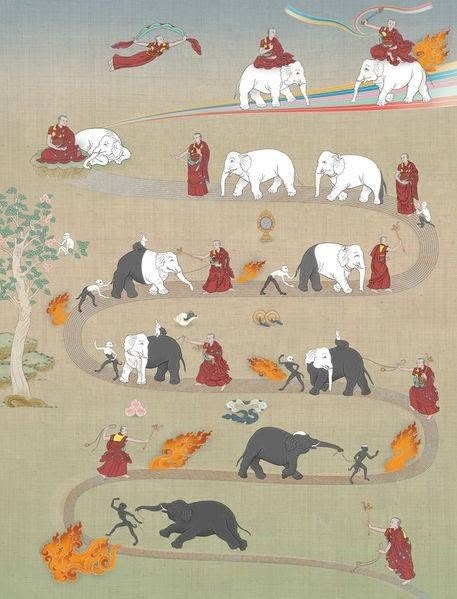
- recognise and work with the two main obstacles: dullness and excitement
- develop mindfulness (remembering the object of meditation) and consciousness (noticing when the mind has wandered)
- cultivate stable one-pointedness that carries over into everyday life
A stable and clear mind is also the foundation for deeper insight meditation (Tib. lhaktong Sanskrit: vipaśyanā) and for the mahamudra practices of the Kagyu tradition.
Shiné in the Karma Kagyu lineage
In the Karma Kagyu lineage, Shiné is regarded as the body of all other meditations: without this stable base, higher practices cannot mature. During the transmission and practice, we explore the different tools available for developing stable one-pointedness, both during and between meditation sessions.
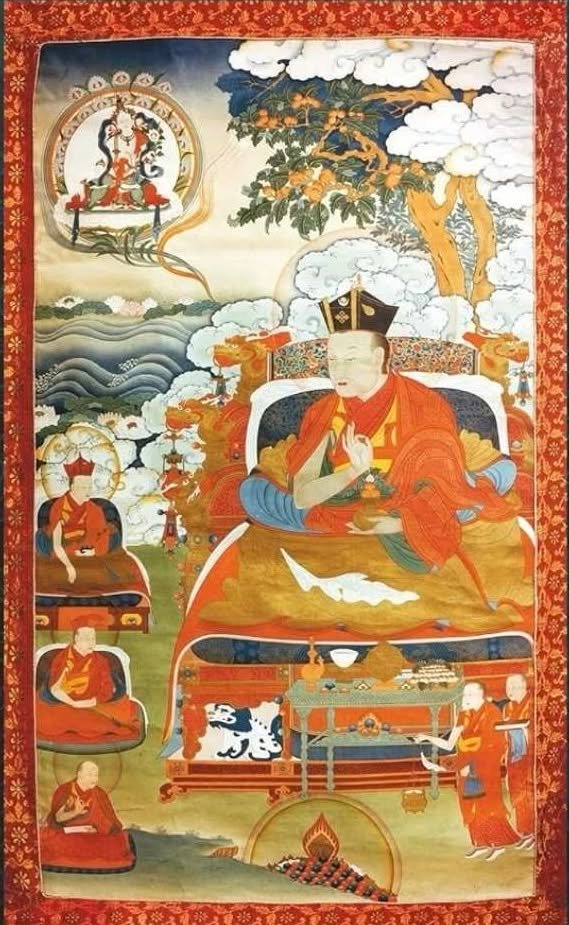
The 9th Karmapa, Wangchuk Dorje, gathered the essence of the meditation instructions into a text called Ngedön Gyamtso, “The Ocean of Definitive Meaning” (also translated as “The Ocean of True Meaning”). It remains one of the key sources of instruction for the lineage.
Lama Stephane provides us with instructions and helps us implement them into our practice.
Who is it for?
Shiné is suitable for beginners as well as experienced practitioners who wish to strengthen their foundation. No previous experience is required.